Beginner Tote Bag Sewing Pattern PDF | Easy DIY Tote Bag
EASY DIY SEWING PROJECT
Beginner Tote Bag Sewing Pattern PDF
Make a stylish two-tone fabric tote bag with comfortable handles, a practical front pocket, and a contrasting base using a beginner-friendly sewing guide.
GET THE TOTE BAG SEWING GUIDEDigital download · Review the product details before purchasing.
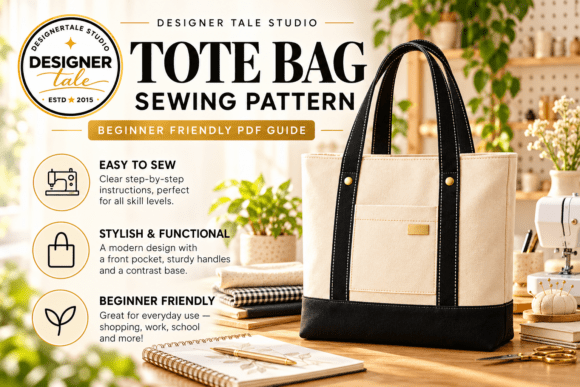
Want to make a useful handmade bag without starting with a complicated sewing project? This beginner tote bag sewing pattern PDF guide offers an approachable way to create a stylish fabric tote for everyday use, shopping, work, school, or casual outings.
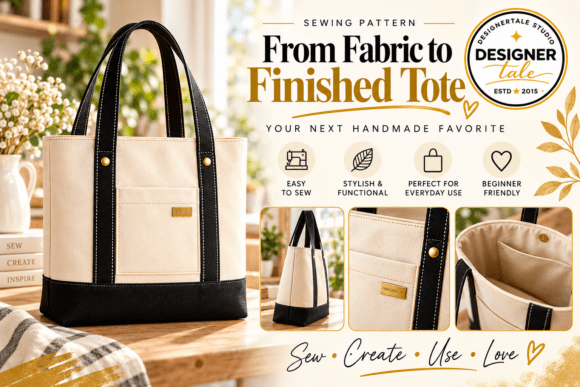
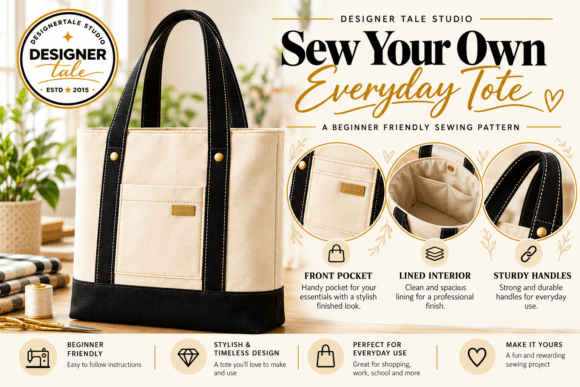
The design features a modern two-tone look, sturdy fabric handles, a convenient front pocket, and a contrasting base. Choose coordinating cotton prints for a playful finish, sturdy canvas for everyday use, or denim for a more casual style.
Instead of buying another ready-made bag, you can use this DIY tote bag tutorial to practice sewing techniques while creating a reusable accessory that reflects your personal style.
Why Try This DIY Tote Bag Project?
A tote bag is a practical project for developing everyday sewing skills. Its simple, useful shape also leaves plenty of room to experiment with color, fabric, and personalized details.
- Beginner-friendly approach: Follow the illustrated guide through fabric preparation, stitching, assembly, and finishing.
- Modern two-tone design: Combine a main fabric with a contrasting base and coordinating handles.
- Useful front pocket: Keep small essentials handy, such as keys, tissues, or a shopping list.
- Comfortable fabric handles: Create a coordinated look with handles that complement the body of the bag.
- Reusable everyday accessory: Make a fabric tote for shopping, errands, or carrying personal items.
- Customizable appearance: Experiment with canvas, cotton, denim, and printed woven fabrics suitable for bag construction.
What Is Included in the Sewing Guide?
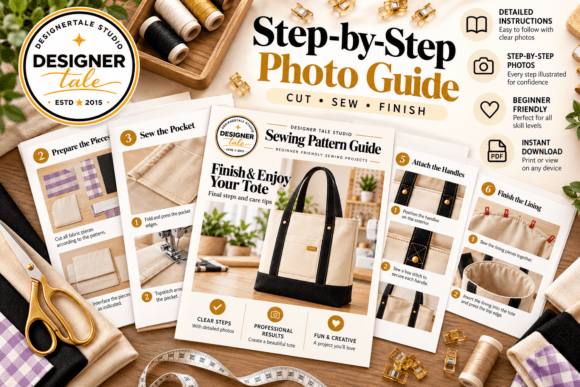
The digital product is described as a measurement-based cutting and sewing guide. It provides instructions and diagrams to help you prepare the fabric and assemble the tote bag.
- Beginner tote bag sewing instruction guide
- Pattern-piece measurement diagrams
- Fabric cutting and preparation instructions
- Front pocket and handle sewing guidance
- Outer bag construction instructions
- Bag lining and assembly guidance
- Finishing techniques and sewing tips
This is a measurement-based cutting and sewing guide, not a full-size, tiled print-and-cut pattern template. You will need to measure and cut the fabric according to the supplied diagrams and instructions.

Materials You May Need
Prepare the following supplies before starting. Check the purchased guide for its specific measurements and any additional material requirements.
- Cotton canvas, denim, or another suitable sturdy woven fabric
- Contrasting fabric for the base and handles
- Cotton lining fabric
- Matching sewing thread
- Sewing machine
- Fabric scissors or rotary cutter
- Measuring tape or ruler
- Sewing pins or fabric clips
- Iron and ironing board
- Optional interfacing for additional structure
Fabric Tips for a Beautiful Handmade Tote
Fabric selection can make a big difference in the appearance and everyday performance of your finished bag.
- Canvas: A sturdy option for a tote intended for regular use.
- Cotton fabric: Great for adding prints, color, and personality, particularly when paired with a sturdier base fabric.
- Denim: Useful for a casual look and for repurposing suitable denim fabric.
- Coordinating lining: Adds a neat interior finish and helps complement the exterior design.
- Interfacing: Consider it when you want additional body or structure, provided it suits the fabric and construction instructions.
For your first tote, consider choosing two fabrics that contrast clearly but still work well together. A neutral body with a darker base, for example, can create a timeless everyday look.
Who Is This Tote Bag Tutorial For?
This project may suit sewists who want to practice basic bag-making techniques and create a functional accessory. It is especially worth considering if you enjoy:
- Beginner sewing projects and weekend DIY crafts
- Making tote bags, handbags, and reusable shopping bags
- Creating handmade gifts for friends and family
- Personalizing fabric accessories with colors and prints
- Learning to sew pockets, handles, linings, and bag panels
- Using suitable leftover fabrics for creative projects
How to Get Started
- Review the product description and confirm that the guide format meets your needs.
- Download the digital files after purchase.
- Read the measurement diagrams and prepare the required materials.
- Measure and cut your fabric according to the supplied instructions.
- Follow the guide to sew the pocket, handles, outer bag, and lining.
- Finish the seams, inspect the construction, and enjoy your handmade tote.
Ready to Make Your Own Tote Bag?
Explore the beginner tote bag sewing guide and see whether its illustrated instructions and measurement diagrams are right for your next DIY project.
VIEW THE DIGITAL SEWING GUIDEDigital product only. No physical bag or printed pattern will be shipped.
Explore More Sewing Projects
Looking for more inspiration for your sewing room? Explore these related tutorials and pattern collections:
- Tote Bag Sewing Patterns – Explore more tote bag ideas and designs.
- Zipper Pouch Sewing Patterns – Make useful small accessories for everyday essentials.
- Simple Sewing Accessories Patterns – Find inspiration for practical handmade projects.
- Small Sewing Projects for Selling – Discover ideas for handmade gifts and craft markets.
- Easy Sewing Projects for Beginners – Explore more ideas to build your sewing skills.
Affiliate Disclosure: This post contains an affiliate link. If you purchase through the link, we may earn a commission at no additional cost to you. We share sewing resources we believe may be useful to our readers.
Disclaimer: This article is for general informational and educational purposes. Your results may vary depending on your fabric, equipment, sewing experience, and construction techniques. Always review the product details and instructions before purchasing or beginning a project.


Comments
Post a Comment